
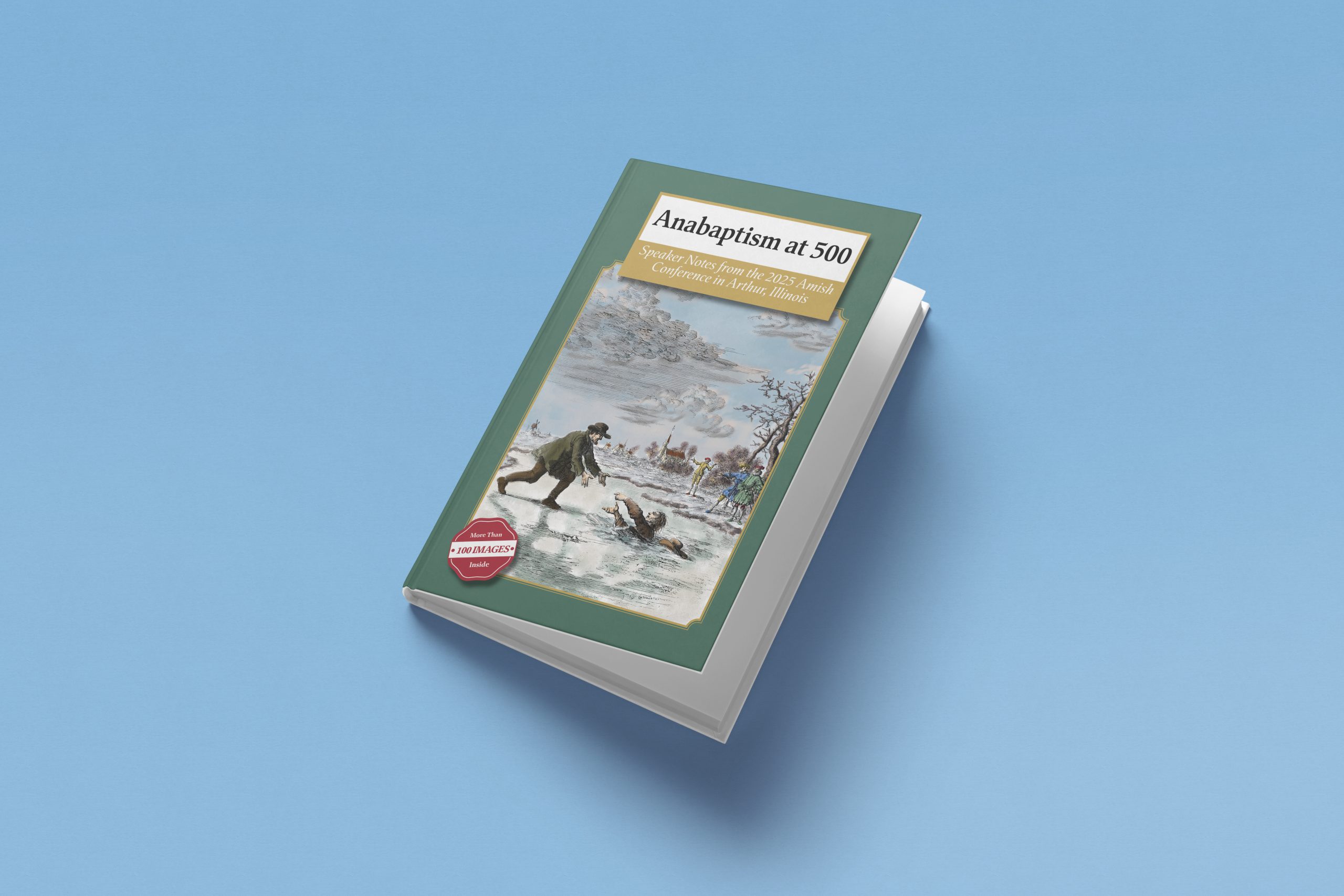
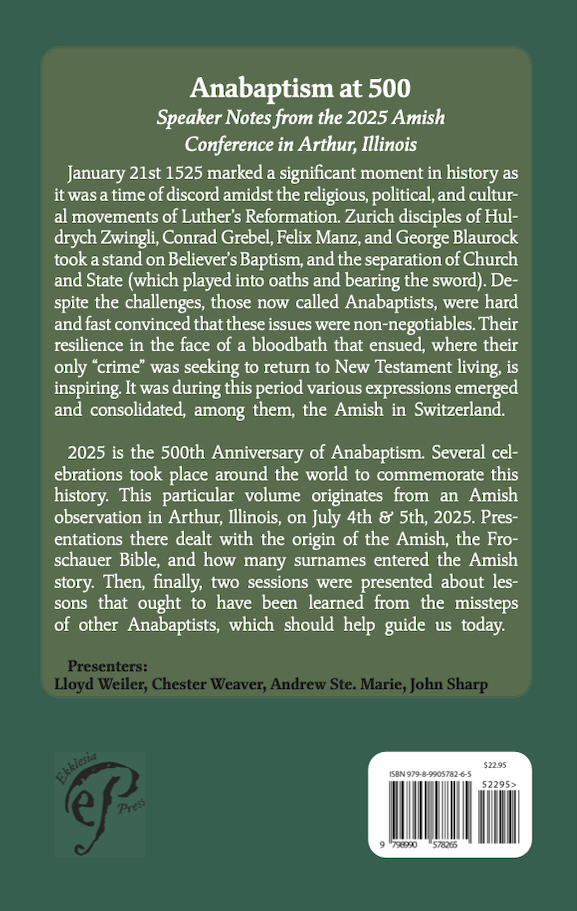
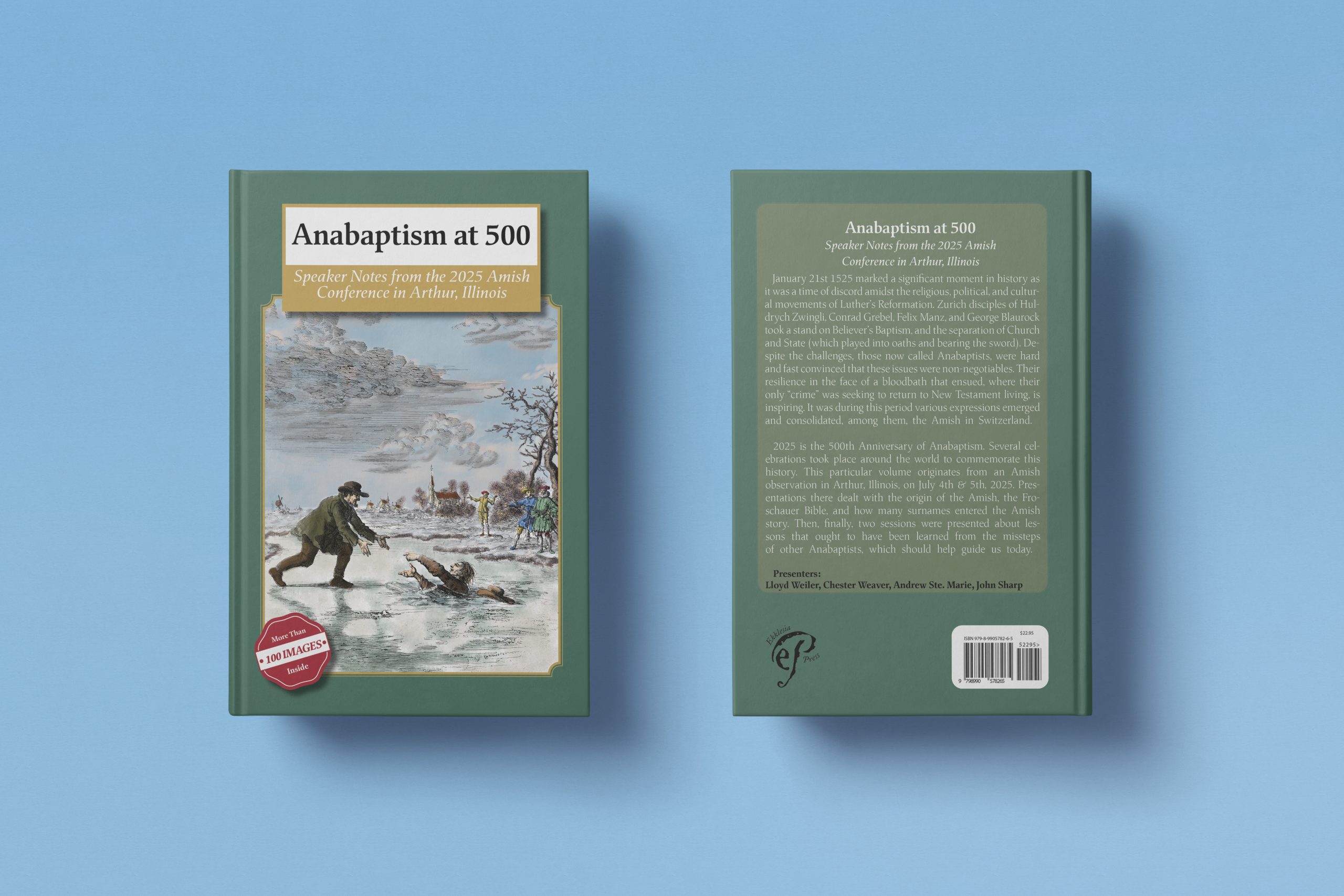
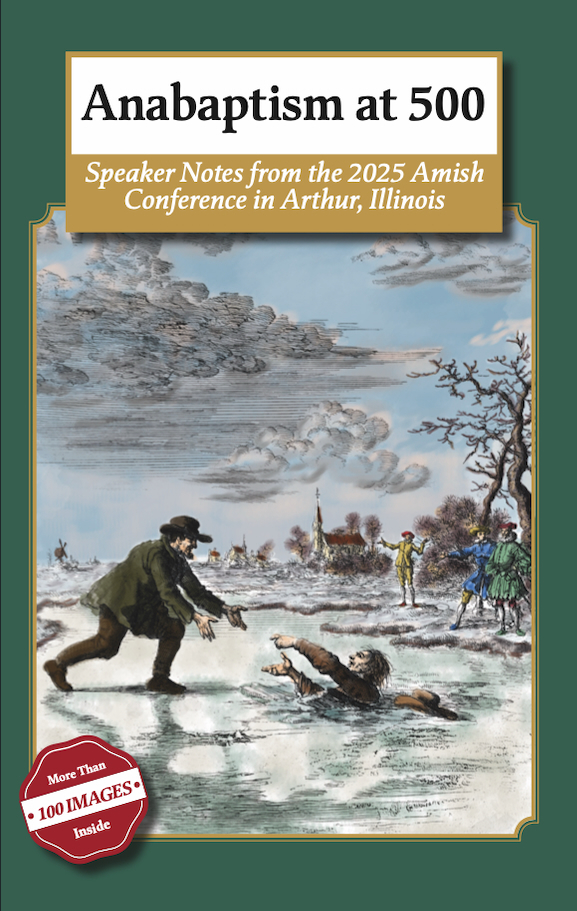
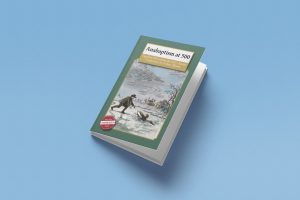
Anabaptism At 500
January 21st, 1525, marked a significant moment in history: the birth of Anabaptism. This period was marked by discord among religious, political, and cultural movements in the wake of Martin Luther’s Reformation. While many today are familiar with “The Reformation”—as it is known in Protestant/Evangelical circles—many are completely unaware of another movement that sprang up to the utter shock of the new Protestant reformers.
Anabaptism was a derisive label Reformers bestowed upon non-Catholic believers who also taught Sola scriptura, but fixed upon two points Reformers seemed oblivious of: believers’ baptism and separation from the State. Standing on these two points brought about the ire of the state church of the Reformers with bloody results. The word “Anabaptism” comes from the Greek words “ana,” meaning “again,” and “baptizein,” the Greek verb root for “to baptize.”
One of the punishments for “rebaptizing” people who became believers was being drowned. Felix Manz, a former disciple of Huldrych Zwingli in Zurich, Switzerland, was quickly put to death on January 5th, 1527, by drowning. He dared to baptize adult believers and taught others that this was God’s purpose.
For nearly 100 years following this faith killing, as many as 10,000 other people, labeled Anabaptist, were drawn and quartered, tortured, burned at the stake, and many other egregious acts that cannot be imagined today—all for simple faith and applying what the New Testament actually teaches. Anabaptist teaching contrasted both the Reformers and Catholics, who were themselves locked in a battle against one another.
Now, in 2025, 500 years have passed. Anabaptism has become a cadre of expressions: Amish, Dunkards, German Baptists, Hutterites, and Mennonites. All are looking back on their shared and diverse histories to keep an understanding. The Amish of Arthur, Illinois, on July 4th & 5th, 2025, chose to recount some of this history. Presentations were given to hear about their specific part of Anabaptism (their origins) and to consider how vital their earliest understandings still are.
Also, other sessions presented the awful stories that resulted from certain Anabaptist enclaves who abandoned one of the tenets Anabaptism was founded upon: the separation of church and State.
This book is a valuable resource, offering transcriptions of presentations by four speakers at this conference. The written text is enriched with full-color images, which are sure to deepen your understanding of Anabaptism’s history and significance in our present day. People of faith from every extraction will find great value in this content—especially in the days in which we live.
Presenters:
Lloyd Weiler – Worked with old Bibles that Muddy Creek Farm Library purchased. He has been involved with preserving history. As a lifelong Old Order Mennonite, he is interested in preserving Anabaptist history and passing it on to new generations. Dozens of schools bring tours through the Muddy Creek library every year. During his work life, he ran a construction business. However, in retirement, he has taken on a greater role in expanding the library’s impact. Lloyd has been the Director of Muddy Creek for the past three years.
Chester Weaver – Chester and his wife Barbara are the parents of eight children and the grandparents of many more. He has been teaching middle and high school full-time for more than 40 years. He has a particular interest in Christian history, particularly Anabaptist history. The Weavers reside in Itasca, TX.
Andrew Ste. Marie – Andrew, an Anabaptist author and historian, has authored or co-authored four books. His influence in the field extends to his role as a book dealer at Sermon on the Mount Publishing. As a convert to Anabaptism in the form of Mennonite, Andrew seeks to learn the origins of the Anabaptist understanding as differentiated from Reformed and Protestant views. He presents at conferences and encourages reading with the books he markets.
John Sharp – Is a retired professor from teaching history and Bible at Hesston College. Now he leads educational tours to Prague, Poland, and Central Asia. He still lives in Hesston, where he writes. He has two adult children and four grandchildren. His passion for history drives his engagement with the Anabaptist world.




Reviews
There are no reviews yet.